
In today's world, where environmental consciousness is on the rise, the question of whether various items can be recycled has become increasingly pertinent. One such item that often finds its way into our daily lives is the rubber plug. From sink drains to bathtub stoppers, these small yet essential components are ubiquitous. But what happens to them when they're no longer needed? Can rubber plugs be recycled, and if so, what does the process entail? The answer is yes, rubber plugs can indeed be recycled, but the intricacies of the process and its feasibility hinge on several factors, including the type of rubber used and the availability of recycling facilities.
The Diverse World of Rubber Plugs
Rubber plugs are crafted from a variety of materials, each with its own unique properties and characteristics. Some of the most common types include:
EPDM (Ethylene Propylene Diene Monomer): Known for its resistance to weathering, ozone, and heat, EPDM is a popular choice for outdoor applications.
Silicone: This material is prized for its high temperature resistance, flexibility, and non-reactive nature, making it ideal for use in medical and food-grade applications.
Natural Rubber (NR): Derived from the latex of rubber trees, natural rubber offers excellent elasticity and strength.
Nitrile Butadiene Rubber (NBR): Resistant to oils and greases, NBR is commonly used in automotive and industrial settings.
Recycled Rubber: As the name suggests, this material is made from recycled rubber products, promoting sustainability.
Each type of rubber plug presents its own set of challenges and opportunities when it comes to recycling. The recycling process must be tailored to the specific properties of the rubber in question to ensure efficiency and effectiveness.
The Recycling Journey: From Plug to New Life
The recycling of rubber plugs is a multi-step process that involves several key stages:
Collection: The first and foremost step in the recycling journey is the collection of used rubber plugs. This can be achieved through various means, such as community recycling programs, industrial collection initiatives, or even individual efforts to gather and dispose of these items responsibly.
Sorting: Once collected, the rubber plugs must be sorted based on their material type. This is a crucial step, as different types of rubber require different recycling processes. Sorting ensures that each type of rubber is processed in the most appropriate and efficient manner.
Cleaning: Before the rubber can be recycled, it must be thoroughly cleaned to remove any contaminants, such as dirt, grease, or other debris. This cleaning process is essential to prevent contamination of the recycled material and to ensure the quality of the final product.
Shredding: The cleaned rubber plugs are then shredded into smaller pieces. This not only facilitates easier handling and transportation but also prepares the rubber for the next stage of the recycling process.
Reprocessing: The shredded rubber is then reprocessed into new rubber products or used as a raw material in other applications. This stage involves melting down the shredded rubber and molding it into new shapes and forms, giving it a second life.
The Benefits of Recycling Rubber Plugs
Recycling rubber plugs offers a multitude of benefits, both environmental and economic:
Environmental Impact: By recycling rubber plugs, we reduce the amount of waste that ends up in landfills, thereby conserving natural resources and minimizing pollution. This contributes to a more sustainable and environmentally friendly approach to waste management.
Economic Benefits: Recycled rubber can be a cost-effective alternative to virgin rubber. Manufacturers can save on raw material costs by using recycled rubber, making it an attractive option for businesses looking to reduce their expenses.
Energy Efficiency: The energy required to recycle rubber is generally lower than that needed to produce new rubber from scratch. This energy savings contributes to a reduction in greenhouse gas emissions and a more efficient use of resources.
Challenges Faced in Recycling Rubber Plugs
Despite the benefits of recycling rubber plugs, several challenges remain:
Contamination: One of the biggest hurdles in the recycling process is contamination. If rubber plugs are contaminated with other materials, such as metals or plastics, it can complicate the recycling process and reduce its effectiveness. Stringent cleaning and sorting processes are essential to overcome this challenge.
Facility Availability: Not all areas have the necessary infrastructure to recycle rubber efficiently. In some regions, recycling facilities may be limited or non-existent, making it difficult to recycle rubber plugs. Efforts to expand recycling infrastructure and increase public awareness of recycling options are crucial to addressing this issue.
Market Demand: The demand for recycled rubber products can fluctuate, affecting the economic viability of recycling programs. To ensure the success of these programs, it's essential to create a stable market for recycled rubber products and encourage their use in various applications.
Examples of Recycled Rubber Products
Recycled rubber can be transformed into a wide range of products, showcasing the versatility and potential of this sustainable material:
Rubber Mats: These mats are used in flooring, automotive, and industrial applications, providing a durable and slip-resistant surface.
Tire Retreading: Old tires can be given a new lease on life through retreading, which involves applying a new tread to a worn tire using recycled rubber.
Playground Surfaces: Recycled rubber can be used to create safe and durable playground surfaces, providing cushioning and shock absorption to protect children from injuries.
In conclusion, rubber plugs can indeed be recycled, but the effectiveness and feasibility of the process depend on various factors, including the type of rubber, the condition of the plugs, and the availability of recycling facilities. Proper sorting, cleaning, and processing are essential to maximize the benefits of recycling rubber plugs. By embracing the recycling of rubber plugs and other rubber products, we can contribute to a more sustainable and environmentally friendly future.
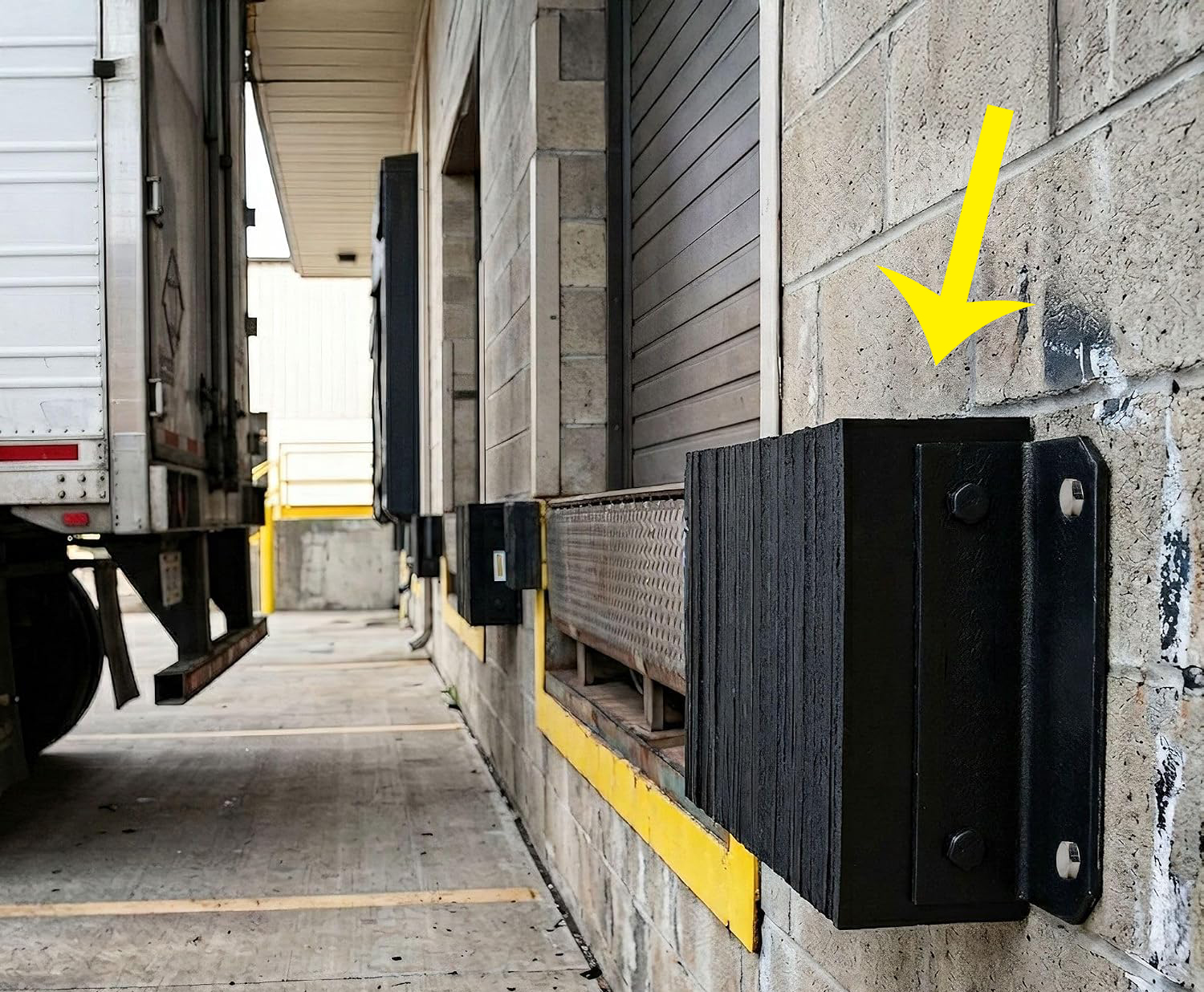 Rubber Laminated Loading Dock Bumper with Steel Angle: 5 Field Failure Signs That Point Back to the RFQ
 Bridge Bearing Pad Field Failure: 5 Visual Signs Before It Retires (And What Caused It)
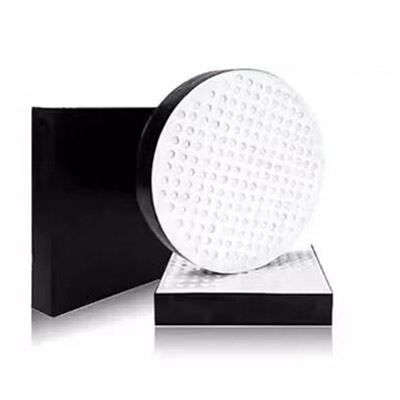 Bridge Bearing Pad RFQ Checklist: 9 Lines That Stop Suppliers From Subbing the Rubber
 Laminated Rubber Bearing: Maintenance and Inspection Protocols